Key takeaways
- Combinations count sets where order doesn't matter.
- The formula divides arrangements by repeated orderings.
- Every combination is equally likely in a fair draw.
Order matters, or it doesn't
In a Pick 4 game, 1-2-3-4 and 4-3-2-1 are different straight bets, so order matters. In a pick-5 game like a 5-of-39 draw, the order doesn't matter: 3, 11, 20, 27, 38 is the same set no matter how you write it.
Step 1: count ordered picks
There are 39 choices for the first ball, 38 for the second, then 37, 36 and 35. Multiply them: 39 × 38 × 37 × 36 × 35 = 69,090,840 ordered sequences.
Step 2: remove repeated orders
Any set of 5 numbers can be arranged 5 × 4 × 3 × 2 × 1 = 120 ways. Since order doesn't matter, divide: 69,090,840 ÷ 120 = 575,757.
The shortcut formula
Mathematicians write this as "n choose r", or C(n, r) = n! ÷ (r! × (n − r)!). Most calculators have an nCr button.
| Game | Calculation | Combinations |
|---|---|---|
| 5 of 36 | C(36, 5) | 376,992 |
| 5 of 39 | C(39, 5) | 575,757 |
| 6 of 49 | C(49, 6) | 13,983,816 |
Why it matters
Knowing where odds come from helps you set expectations. Apollo AI's Recommendation Generator picks one of these combinations for you, and it's exactly as likely as any other.
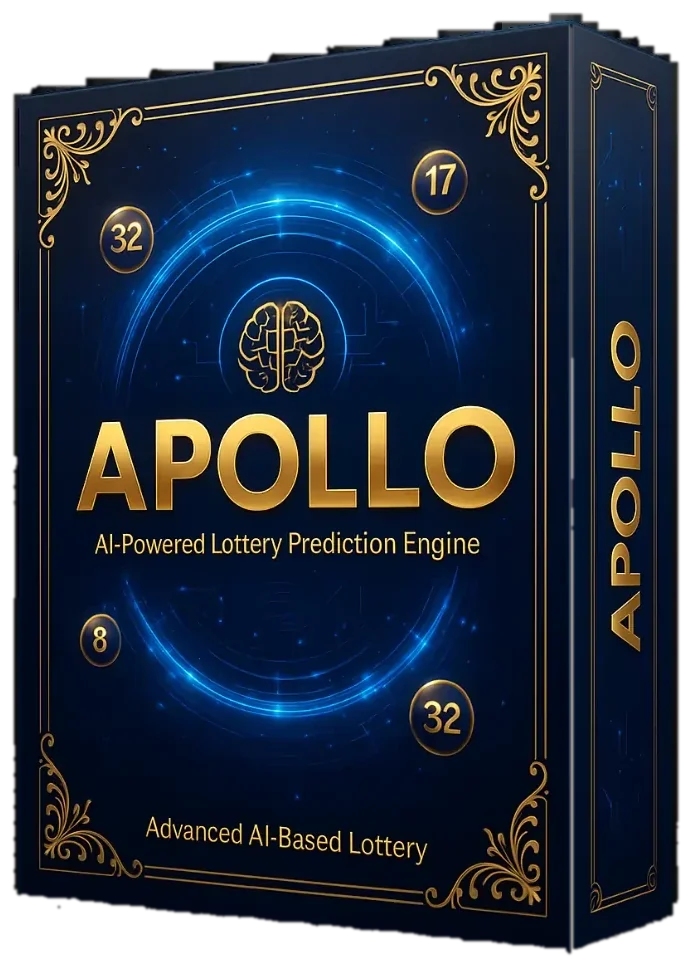
Apollo AI turns earlier US draws into charts and gives you a set with one click. $147 once, 14-day refund.
Buy Apollo AIGeneral information for US readers, not legal or financial advice. Lottery draws are random.
More from the blog
- The Coin-Flip Way to Picture Lottery Odds
- Overall Odds vs Top-Prize Odds: What the Fine Print Means
- A Short History of US State Lotteries
- What $5 a Week on the Lottery Adds Up To
- What Apollo AI's Charts Can and Can't Tell You
- Lottery Tips for Older Players: Comfort, Clarity and Caution
- Lottery App Safety Tips for US Players